Maruti Suzuki Cervo: A dream that remained unfulfilled , In the cradle of India’s automotive industry, some cars leave their homes and some just remain as hopes and discussions. Maruti Suzuki Cervo is one such car that was successful in creating curiosity and hope in the minds of people, but was never seen on Indian roads.
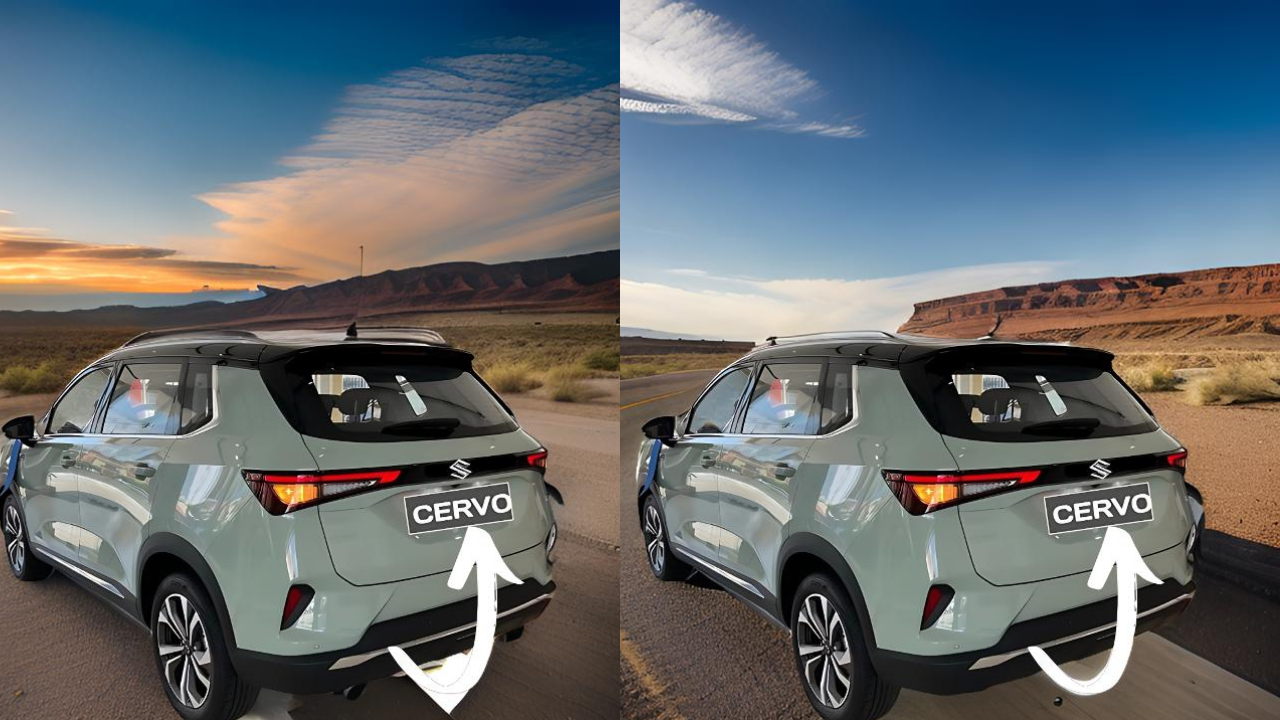
In this blog, we will talk about the history, specifications and potential impact of Cervo, and understand why this interesting car did not reach Indian consumers.
Legacy of Cervo: A Japanese Icon
The Suzuki Cervo story began in Japan in 1977, when it was introduced as a ‘kei’ car. Kei cars are compact cars in Japan, built with small dimensions and small-displacement engines, which brings tax and insurance benefits.
The Cervo became a new vision of urban mobility with its quirky design and efficient 550cc two-stroke engine. Each of its generations mirrored changing consumer preferences and technology advancements:
1. First Generation (1977-1982): Coupe-like design.
2. Second Generation (1982-1988): Hatchback design.
3. Third Generation (1988-1990): Boxy and practical design.
4. Fourth Generation (1990-1998): Stylish and with upgraded features.
5. Fifth Generation (2006-2009): Modern design and advanced technology.
Relation between Cervo and India
Maruti Suzuki, which is the leader in India’s small car segment, planned to bring Cervo to India. This was due to some reasons:
• Fuel Efficiency Demand: Rising petrol prices.
• Urban Congestion: Need for Compact cars.
• Diverse Range: An attempt to provide new options for consumer segments.
There was talk of the launch of Cervo around 2010, and it was said that it could be a replacement for Maruti 800.
Specifications and Features
If Cervo is launched in India, then these are the specifications expected:
• Engines:
o 660cc petrol engine (54 PS).
o Turbocharged engine variants (60-64 PS).
• Transmission:
o 4-speed automatic and 7-speed CVT.
• Dimensions:
o Length: ~3.4m, Width: ~1.48m, Height: ~1.53m.
• Fuel Efficiency: 20-25 km/l.
• Features: Keyless entry, ABS with EBD, multiple airbags, automatic climate control, and stylish interiors.
Why Cervo did not come to India?
Maruti did not launch Cervo due to several challenges:
1. Competition: Cars like Alto, WagonR were already popular.
2. High Cost: Adaptation would have been costly as per Indian norms.
3. Consumer Trends: People were shifting towards compact SUVs.
4. Regulations: Following safety and emission norms was complex.
5. Strategy: Focusing on existing models was more important.
Importance of Cervo’s shortage
Without Cervo, some new trends can be seen in Indian market:
1. Premium Hatchbacks: Maruti Swift and Hyundai i20 became popular.
2. Micro-SUVs: Cars like S-Presso and Renault Kwid were launched.
3. Fuel Efficiency: Demand for efficient engines increased in every model.
Learnings and future
Cervo taught the Indian auto industry some important lessons:
• Market understanding and timing are very important.
• International models have to be adapted according to the Indian market.
• Every decision is strategic – whether to launch a product or not.
In the coming times, with electrification and strict emission norms, demand for ultra-compact city cars may increase again.